

Key Takeaways
- Optometrists provide primary vision care and regular health exams.
- Ophthalmologists perform surgery and treat complex diseases.
- Opticians fit frames and prepare your daily glasses.
- Routine exams help catch problems before your vision changes.
Different Professionals Have Different Roles
Maybe you notice the street signs looking a bit blurry on your drive home from work. Or maybe you’ve been experiencing dull headaches after reading. You look online to book an appointment with a network like Total Vision Corporate, and suddenly you see three different types of professionals to choose from. But you’re not sure which professional does what.
An optometrist handles your primary vision tests, an ophthalmologist manages complex medical treatments, and an optician fits your frames and lenses. Each professional plays a specific part in keeping your eyes healthy.
Your Guide to Eye Care Professionals
Finding the right provider can save you time and help you get the care you need. While you might feel overwhelmed when offices use technical names for their staff, the differences are fairly straightforward.
3 Main Types of Providers
- Optometrists provide primary vision tests and regular care.
- Ophthalmologists work as medical doctors for surgery and disease management.
- Opticians work as technicians to fit your glasses.
You’ll likely interact with all three professionals at different stages of your life. Your daily visual needs determine exactly who you schedule a visit with first. Understanding these distinct roles helps you book the correct kind of appointment from the start.
The Role of an Optometrist
Routine Care & Checkups
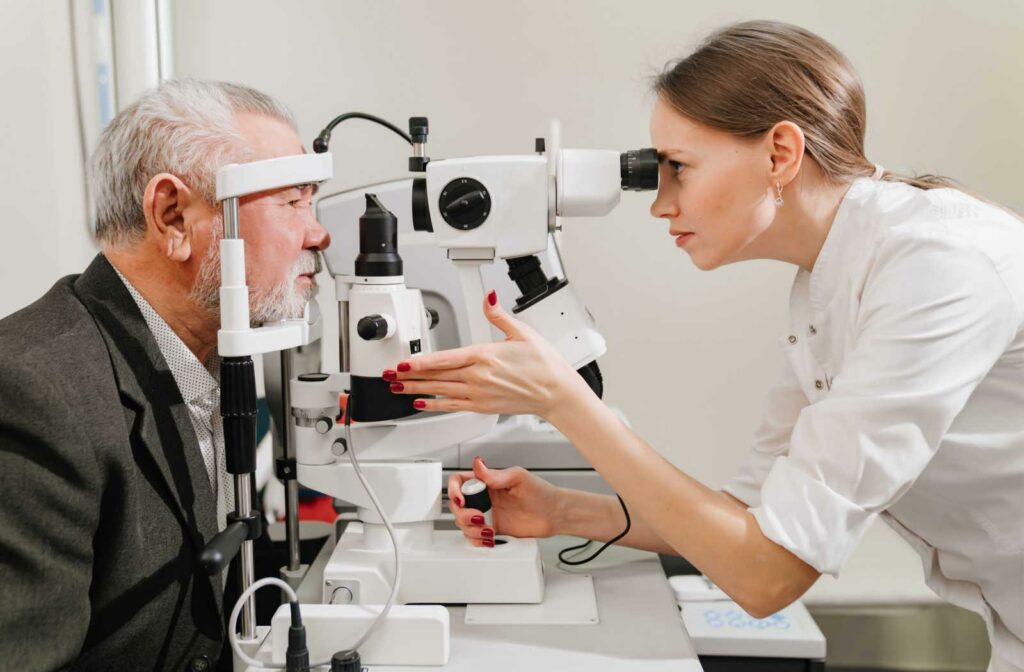
Most of your visits will take place at an optometry office. An optometrist uses various tools and modern technology to look closely at the structures inside your eyes. These routine checks form the foundation of your ongoing visual health.
- An optometrist checks your overall eye health during your visit.
- They write prescriptions for your glasses and contact lenses.
- You can find eye doctors across California.
Regular eye exams can help catch small issues before they impact your daily life.
Signs You Need an Exam
Your body often gives you clear signals when your prescription needs an update. Pay attention to symptoms like:
- Blurry vision up close or far away.
- Frequent headaches after reading or screen time.
- Trouble seeing objects clearly at night.
What an Ophthalmologist Can Do for You
Focused Medical Education
Sometimes you need more focused medical care for your eyes. In such cases, your regular optometrist will often refer you to an ophthalmologist. You can rely on an ophthalmologist’s extensive background to help you navigate severe medical challenges.
- Ophthalmologists complete twelve or more years of school.
- They diagnose complex eye conditions and manage long term diseases.
- They perform laser treatments and delicate surgeries.
Symptoms That Need Medical Attention
Certain physical changes need prompt care from a medical doctor. Pay close attention to rapid changes in your sight, including:
- Sudden vision loss or dark spots.
- Severe eye pain or physical trauma.
You should also seek care immediately if you experience physical trauma to your face.

How an Optician Supports Your Sight
The Right Frame Fit
Once you have a new prescription in hand, it’s time to get your frames. Opticians work closely with you in the clinic to select frames that match your personal style.
- They use your prescription to create your lenses.
- Technicians adjust frames to fit comfortably on your face.
- They can show you how to properly clean your contacts.
Your optician will take external measurements of your face and eyes, including the distance between your pupils, so that your vision is comfortable. They’ll also adjust your new glasses so that they align properly with your face.
Find Your Local Eye Care Provider
Steps to Take Today
It’s important to be proactive about your vision. Building a relationship with a local eye care provider lets them keep track of changes to your sight over time and helps them identify potential problems early. Getting started with an eyecare routine is simple:
- Schedule an exam for your whole family.
- Bring your current glasses to the appointment.
- Share your vision history with the team.
Consistent care helps you and your family enjoy clear vision for years to come. Find a Total Vision location near you to book an appointment with your local eye doctor and protect your and your family’s vision.