


Glasses and contacts get the job done, yet many people wonder how life would feel without them. LASIK can make that possible for some people, but it doesn’t suit every pair of eyes.
Your optometrist considers several factors before LASIK becomes an option. You may be a good candidate for LASIK if you’re 18 or older, your prescription has stayed the same for at least 1 to 2 years, and your eyes are healthy with corneas thick enough to reshape. A laser surgery consultation can tell you where you stand.
What LASIK Does for Your Vision
During LASIK, a surgeon creates a thin flap in your cornea, which is the clear dome at the front of your eye. They use a laser to reshape the tissue underneath, then lay the flap back in place.
This new shape helps light focus on your retina, and that can correct nearsightedness, farsightedness, and astigmatism. Many people notice clearer vision within a day or 2. Your eyes keep healing for a few months after that, though.
Signs You May Be a Good LASIK Candidate
Your optometrist checks a few different things before recommending surgery, and the first is how settled your vision is.
Age & Prescription Stability
Your eyes keep growing and changing through your teens and sometimes into your early 20s. That’s part of why no lasers are approved for LASIK in anyone under 18.
A steady prescription matters just as much as age. Your optometrist will want to see that your numbers have held for at least 1 to 2 years. Pregnancy, breastfeeding, and some medications can change your vision for a while, so you may need to wait until things level out.
Eye Health & Corneal Thickness
Strong candidates have eyes that are free of active disease and past injury. Since LASIK removes a thin layer of corneal tissue, your cornea needs enough thickness left over afterward to stay stable.
Your general health plays a role in healing, too. If you live with diabetes, keeping your blood sugar well managed can help your eyes recover. Big swings in blood sugar can also make your prescription harder to pin down.
What Might Disqualify You
Some health issues make LASIK riskier or the results less predictable. Your optometrist may suggest waiting or looking at another procedure if you have:
- An autoimmune condition, such as lupus or rheumatoid arthritis, which can slow healing
- Cataracts
- Glaucoma
- Corneas that are too thin to reshape
- Chronic dry eye, which LASIK can make worse
If one of these applies to you, another procedure may suit your eyes better. Some people also decide against surgery for personal reasons, and that’s a reasonable choice too.
LASIK Alternatives to Ask Your Optometrist About
LASIK is the procedure most people have heard of, but other options correct vision differently. A few that might come up during your consultation include:
- PRK: Your surgeon removes the cornea’s thin outer layer instead of making a flap, which can make PRK a better match for thinner corneas. Healing takes longer, and the first few days are usually more uncomfortable.
- SMILE: A laser shapes a tiny disc of tissue inside the cornea, and your surgeon removes it through a small opening. It can treat nearsightedness and, in some cases, astigmatism.
- Implantable contact lenses: Your surgeon places a lens inside your eye, just in front of your natural lens. This may suit people with strong prescriptions or corneas too thin for laser reshaping.
- Refractive lens exchange: Your surgeon replaces your natural lens with an artificial one. People in their 40s and older tend to consider this more often.
Your optometrist can walk you through which of these fits your prescription and corneal measurements.
What to Expect After LASIK Surgery
It helps to go in with a clear picture of recovery. Dry eye is common for the first few months, and lubricating drops can make your eyes more comfortable while they heal. Some people also notice glare or halos around lights at night during this time.
You’ll have follow-up visits so your optometrist can check how your cornea is healing. Keep these appointments even if your vision feels great.
LASIK doesn’t stop the natural aging of your eyes. The lens inside your eye stiffens over time, and most people start needing reading glasses sometime in their 40s, whether they’ve had LASIK or not.
How to Find Out if You Qualify
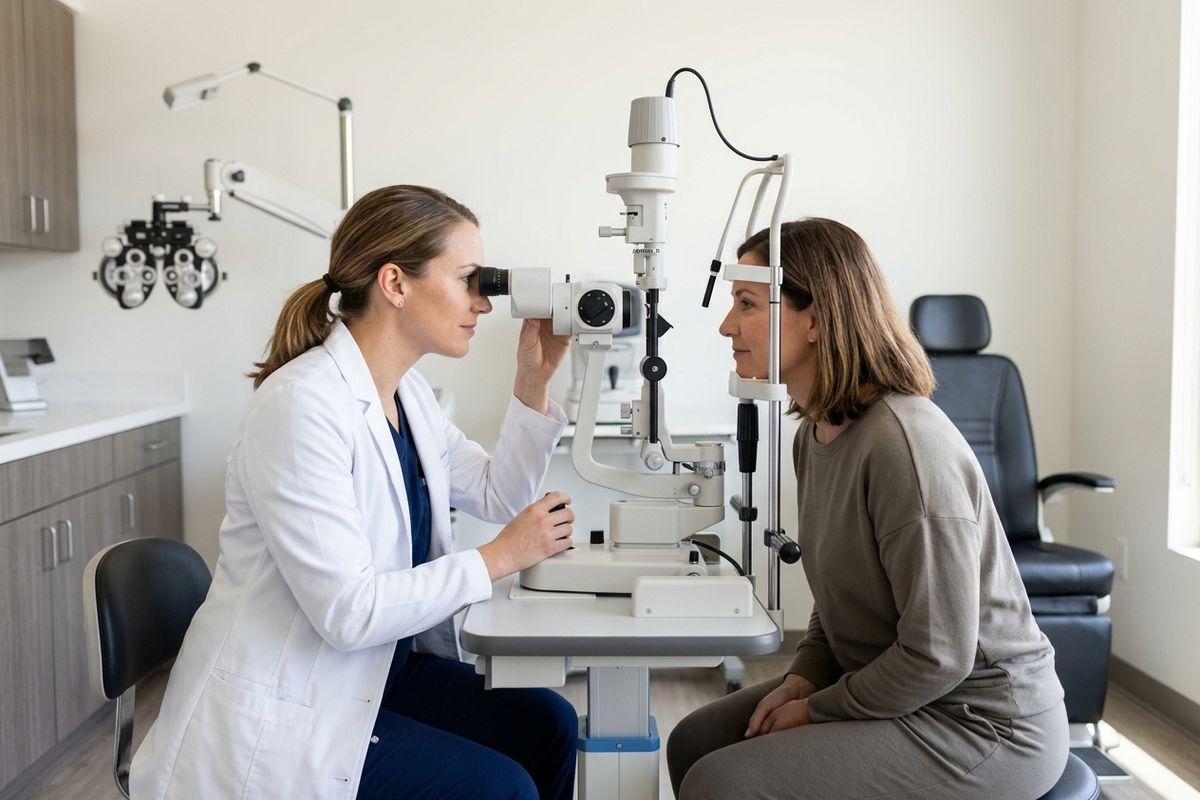
Finding the answer starts with a comprehensive eye exam. During the exam, your optometrist can:
- Measure the thickness and shape of your cornea
- Check how well your eyes make and hold tears
- Compare your current prescription to past ones
If the results look promising, we can refer you to a surgeon and support your care before and after the procedure. When LASIK isn’t the right match, we’ll talk through other ways to see clearly that work with your routine.
Find Out Whether LASIK Fits Your Eyes
Deciding on LASIK gets easier once you have your own measurements in front of you. Our optometrists at Total Vision can look at your corneas and prescription history and help you understand which path makes sense for you. Book an appointment at one of our locations across California and get a clear look at your options.